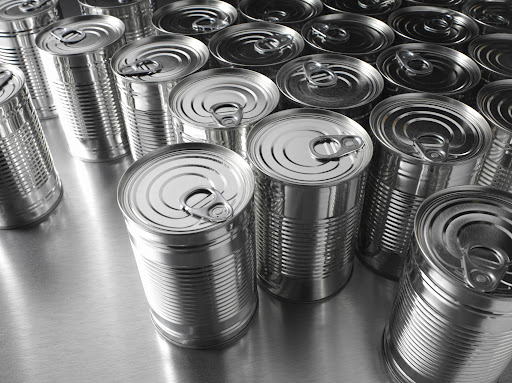
Packaging Material : Metal
Sustainability: High
- Carbon Footprint: 300
- Recyclability: 90
- Biodegradability: 10
- Energy Consumption: 250
- Water Usage: 600
- Raw Material Source: Ore Mining
- Waste Generation: 30
- Environmental Impact Score: 7.8
Summary
Metal packaging is widely recognized for its durability, strength, and recyclability, making it a popular choice for various consumer products. It offers several advantages over other packaging materials, including:
- Durability: Metal packaging provides excellent protection for products, ensuring they remain intact during handling, shipping, and storage.
- Barrier properties: Metal containers offer superior barrier properties, protecting contents from light, moisture, oxygen, and other environmental factors.
- Recyclability: Metals such as aluminum and steel are infinitely recyclable without losing quality, making metal packaging a sustainable choice for eco-conscious consumers and businesses.
- Longevity: Metal packaging can withstand extreme temperatures and harsh conditions, prolonging the shelf life of products and reducing waste.
- Aesthetic appeal: Metal containers offer a sleek and modern appearance, enhancing the perceived value of products and brands.
Common applications of metal packaging include:
- Cans for beverages (e.g., soda, beer, canned coffee)
- Food containers (e.g., canned fruits, vegetables, soups)
- Cosmetic and personal care products (e.g., aerosol cans, metal tubes)
- Household products (e.g., aerosol sprays, paint cans)
- Pharmaceutical packaging (e.g., metal pill bottles, aerosol inhalers)
Overall, metal packaging offers a combination of durability, sustainability, and aesthetic appeal, making it a preferred choice for a wide range of consumer goods.