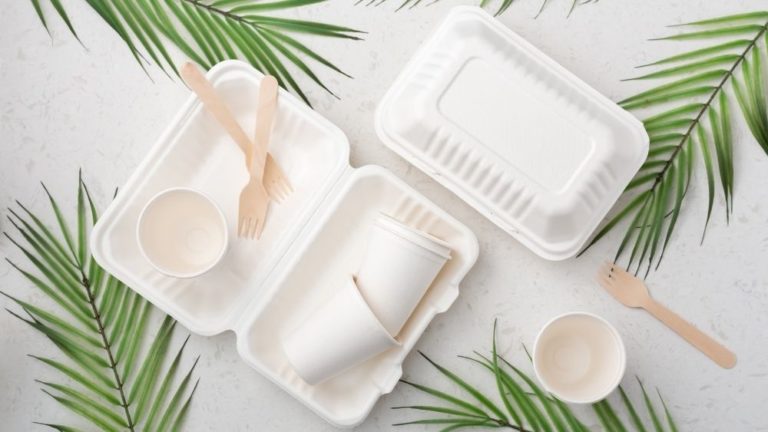
Packaging Material : Biodegradable Plastics
Sustainability: Medium
- Carbon Footprint: 200
- Recyclability: 40
- Biodegradability: 80
- Energy Consumption: 180
- Water Usage: 350
- Raw Material Source: Plant-based
- Waste Generation: 18
- Environmental Impact Score: 7.3
Summary
Biodegradable plastics are a promising alternative to traditional plastics, offering eco-friendly solutions for packaging and other applications. These plastics are designed to break down naturally into harmless substances, reducing environmental pollution and waste.
Key characteristics of biodegradable plastics include:
- Biodegradability: Biodegradable plastics can decompose through natural processes, such as microbial action, into carbon dioxide, water, and biomass.
- Sustainability: Many biodegradable plastics are derived from renewable sources, such as plant-based materials like cornstarch or sugarcane.
- Compatibility with existing infrastructure: Biodegradable plastics can be processed in existing waste management systems, including composting facilities.
- Performance: Biodegradable plastics offer similar performance characteristics to traditional plastics, including durability, flexibility, and barrier properties.
Common applications of biodegradable plastics include:
- Food packaging
- Single-use items (e.g., utensils, cups, straws)
- Agricultural mulch films
- Disposable bags
- Medical implants and devices
Biodegradable plastics play a vital role in mitigating the environmental impact of plastic waste, offering a sustainable solution for industries and consumers alike.