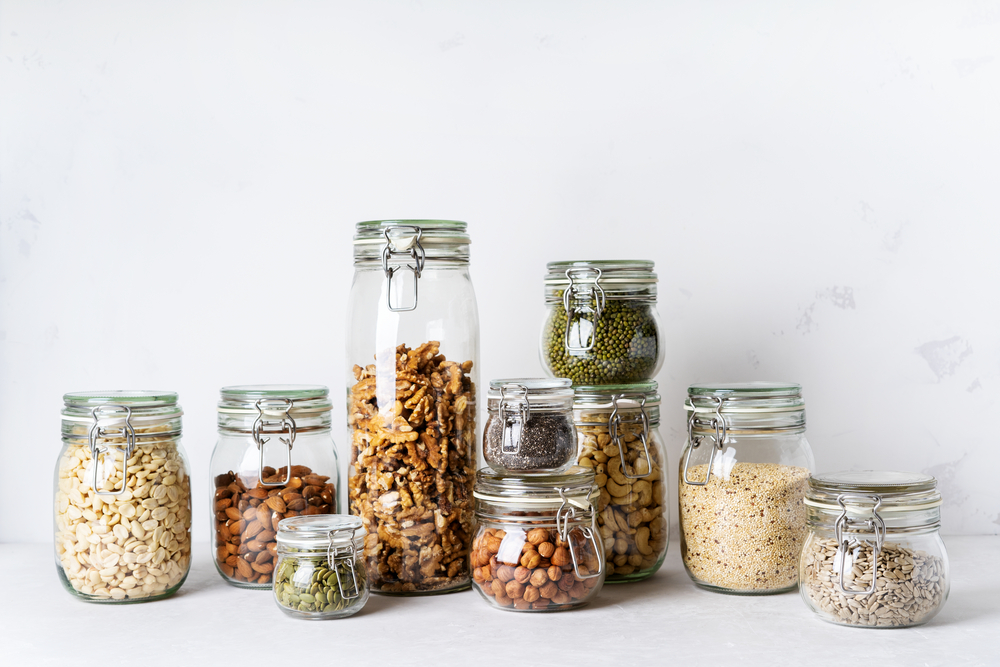
Packaging Material : Glass
Sustainability: Medium
- Carbon Footprint: 180
- Recyclability: 70
- Biodegradability: 0
- Energy Consumption: 300
- Water Usage: 800
- Raw Material Source: Sand
- Waste Generation: 25
- Environmental Impact Score: 6.7
Summary
Glass is a versatile and eco-friendly packaging material commonly used in various industries. It offers several advantages such as:
- Excellent barrier properties: Glass provides an impermeable barrier, protecting the contents from moisture, air, and odors.
- Recyclability: Glass is infinitely recyclable without loss of quality, making it a sustainable choice for packaging.
- Non-reactive: Glass does not react with the contents, preserving the taste and quality of food and beverages.
- Durable and long-lasting: Glass packaging is sturdy and resistant to temperature fluctuations, ensuring product integrity during storage and transportation.
- Aesthetic appeal: Glass containers offer a premium look and feel, enhancing the perceived value of the product.
Common glass packaging products include:
- Glass bottles
- Glass jars
- Glass vials
- Glass containers
- Glass packaging for cosmetics and perfumes
While glass packaging offers many benefits, it also has some limitations, such as fragility and weight. However, advancements in glass manufacturing and packaging techniques continue to improve its sustainability and performance.